Top Ten Tuesday – Most Recent Additions

Top Ten Tuesday was created by The Broke and the Bookish in June of 2010 and was moved to That Artsy Reader Girl in January of 2018. It was born of a love of lists, a love of books, and a desire to bring bookish friends together.

This weeks top ten – Most recent additions to my book collection.

I’m trying not to buy books as I have so many books that I haven’t read. However, people often give me Amazon vouchers or book tokens for my birthday / Christmas so I have bought some lately. Also, I do tend to buy books on my kindle as they don’t take up physical space.

  1. Blood and Guts in High School – Kathy Acker (1984) I’ve been meaning to read this since university – which is thirty years ago now. Not quite sure why it had taken so long to purchase a copy.
  2. The Origins of Totalitarianism – Hannah Arendt (1951) Another one that I’ve been meaning to read for a while. It has never felt more relevant to be reading about this subject.
  3. Ridley Road – Jo Bloom (2014) I bought this after the TV series which was very good but also after reading Jews Don’t Count and The Plot Against America and deciding I needed to read more Jewish fiction / non fiction.
  4. The City and the Stars – Arthur C. Clarke (1956) I’m trying to read through some classic science fiction and Clarke seems about as classic as you can get.
  5. House of Glass: The Stories and Secrets of a Twentieth Century Jewish Family – Hadley Freeman (2020) I read Freeman’s column in the Guardian and am curious to know more about her life and about life in a Jewish family.
  6. The Moon is a Harsh Mistress – Robert A. Heinlein (1966) More classic science fiction.
  7. The Lost Language of Cranes – David Leavitt (1986) I’ve read Leavitt’s biography of Alan Turing and enjoyed it so I thought I’d give his fiction a go.
  8. A Perfect Spy – John Le Carre (1986) I’m not a massive fan of spy fiction but I enjoyed Tinker Tailor Soldier Spy last year so I’m giving Le Carre another go.
  9. Shuggie Bain – Douglas Stuart (2020) I’ve been trying to read Booker Prize winners and this sounded particularly good.
  10. The Midwich Cuckoos – John Wyndham (1957) I love Wyndham.

Reading Past and Present

Last year, I let my husband help pick the books I was reading – 50 in total – and he picked some things I had been meaning to read and a lot of classics. I managed to get through Middlemarch, Far From the Madding Crowd, Moby Dick and The Old Man and the Sea but not David Copperfield, Emma or The Turn of the Screw. I was pleased to get through those four as they have been on my meaning to read list for a while but I’d be a liar if I said that I really enjoyed them. I feel compelled to keep reading the classics – I’m not sure why – but I really don’t enjoy them. As a result, I went off list.

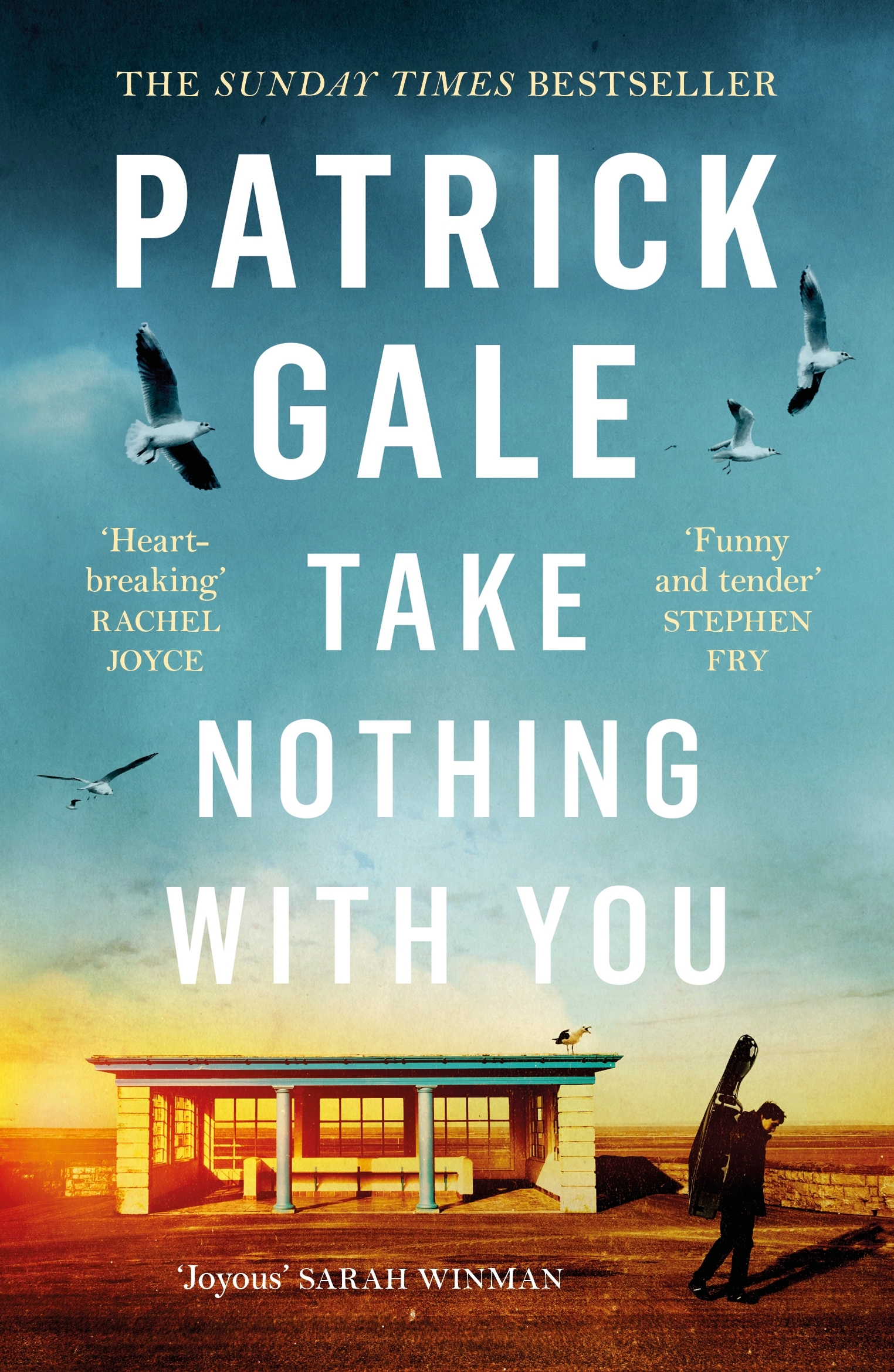
Highlights from last year were mostly modern – Take Nothing With You by Patrick Gale was a favourite, as was The Nickel Boys by Colson Whitehead. The Plot Against America by Philip Roth was fantastic and certainly the best alternative history novel I have read. Roth and Whitehead were both new to me and I will definitely be reading more by them in the future.

Unfortunately. although I had quite a few five star reads, I also read a lot of disappointing books. David Mitchell (Utopia Avenue), Ian McEwan (Machines Like Me), Sebastian Faulks (Engleby) and Graham Swift (Here We Are) all let me down this year. The one good thing about this is the fact I do not feel compelled to read anything else by them.

This year, I am choosing less books – I only managed to read 37 books last year. I am adding some of last years books, some non fiction and more kindle books then I had last year. Hopefully, I’ll manage to stick to it a bit more successfully.

  1. Blood and Guts in High School – Kathy Acker
  2. Americanah – Chimamanda Ngozi Adichie
  3. Ridley Road – Jo Bloom – Finished 26/2/22
  4. My Evil Mother – Margaret Atwood – Finished 1/10/22
  5. Have You Eaten Grandma? – Gyles Brandreth – 31/10/22
  6. Wuthering Heights – Emily Bronte
  7. The Master and Margarita – Mikhail Bulgakov Finished 12/10/22
  8. Babel Tower – A. S. Byatt
  9. Good Night and Good Luck – David Cavanagh
  10. The City and the Stars – Arthur C. Clarke
  11. The Long Call – Anne Cleeves – Finished 5/8/22
  12. Mr Wilder and Me – Jonathan Coe
  13. The Woman in White – Wilkie Collins
  14. David Copperfield – Charles Dickens
  15. Crime and Punishment – Fyodor Dostoevsky Unfinished
  16. Girl, Woman, Other – Bernardine Evaristo Finished 29/9/22
  17. Sunburn – James Felton Finished 23/1/22
  18. Maurice – E. M. Forster
  19. House of Glass – Hadley Freeman Finished 31/8/22
  20. Anansi Boys – Neil Gaiman Finished 5/6/22
  21. Outliers – Malcolm Gladwell Finished 11/3/22
  22. The Princess Bride – William Goldman Currently reading
  23. The Institute – Stephen King Finished 26/11/22
  24. The Lost Language of Cranes – David Leavitt Finished 22/2/22
  25. Live By Night – Dennis Lehane Finished 12/5/22
  26. Pies and Prejudice – Stuart Maconie Finished 29/5/22
  27. No One Writes to the Colonel – Gabriel Garcia Marquez
  28. Tales of the City – Armistead Maupin – Finished 19/8/22
  29. More Tales of the City – Armistead Maupin Finished 10/9/22
  30. Homage to Catalonia – George Orwell Finished 27/7/22
  31. Bleeding Hearts – Ian Rankin Finished 16/1/22
  32. A Song for the Dark Times – Ian Rankin Finished 17/10/22
  33. Holes – Louis Sachar – Finished 18/10/22
  34. The Guernsey Literary and Potato Peel Pie Society – Mary Ann Shafer and Annie Barrows – Finished 9/8/22
  35. Life Isn’t All Ha Ha Hee Hee – Meera Syal Finished 10/2/22
  36. Shuggy Bain – Douglas Stuart Finished 30/6/22
  37. The Kitchen God’s Wife – Amy Tan Finished 30/5/22
  38. The Two Towers – J R R Tolkien Finished 11/5/22
  39. Candide – Voltaire
  40. The Underground Railway – Colson Whitehead Finished 10/4/22
  41. The Midwich Cuckoos – John Wyndham Finished 21/6/22

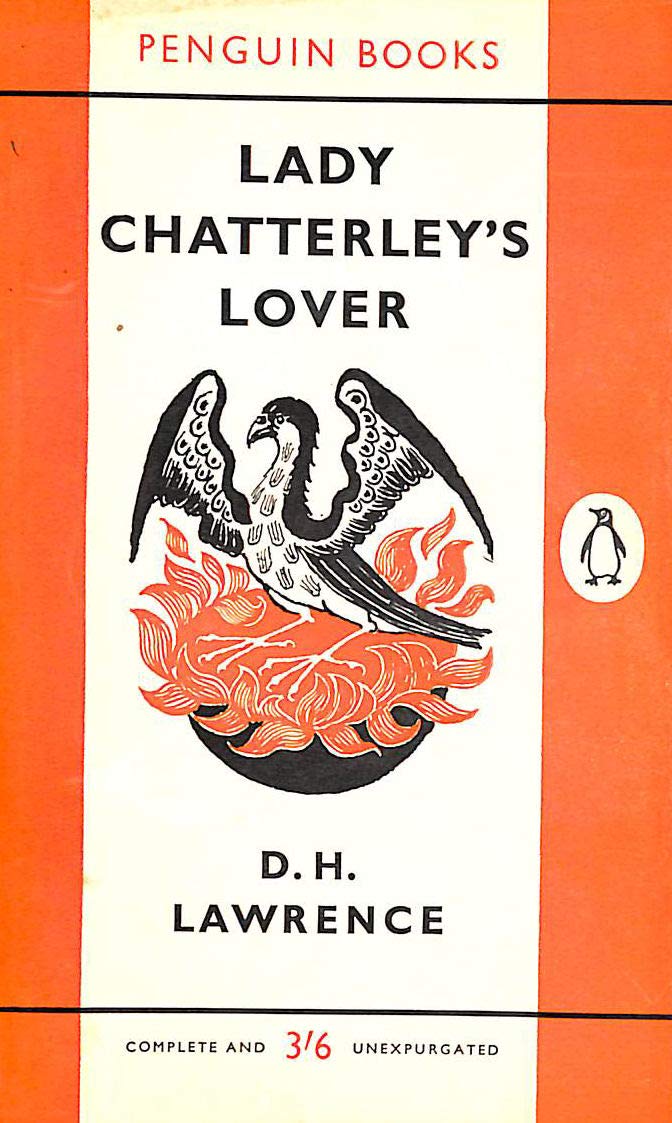
Books Read in 2021 37. Lady Chatterley’s Lover – D. H. Lawrence

Genre: Romance, Classics, Erotic

Narrative Style: Third person from different viewpoints.

Rating: 2/5

Published: 1928

Format: Kindle

Synopsis: Clifford Chatterley is confined to a wheelchair after the first world war. His wife Connie is bored and restless. They would have been ill-matched even without the added strain of Clifford’s paralysis. When the new games keeper arrives on the estate, she starts an affair with him.

Time on Shelf: Quite a while. I downloaded this because I thought it would be interesting to read and compare to modern erotica. I was put off, however, by my other attempts at reading Lawrence which had been unsuccessful.

Like most people, I was curious to read this because of the furore that it caused. I watched the 2015 BBC adaptation which features Richard Madden as Mellors (rather generous casting I would say) and was suitably sexy. I realise that this was never going to be Fifty Shades of Grey (Not that I liked that book anyway) with sex every two minutes but Lawrence’s prose was terrible and really the story wasn’t complicated enough for the number of pages that Lawrence gives it.

It’s hard to say whether this book would be read by anyone if not for the sex. Lawrence’s style is well and truly out of fashion, I suppose and thank goodness for that. There were little affectations that I found immensely annoying. For example, ‘And besides, he felt cruelly his own unfinished nature. He felt his own unfinished condition of aloneness cruelly.’ This repeating of little phrases happened quite often and made me want to throw the book away every time it happened. Then there was the exclamations. I don’t think I have ever read a book which overused the exclamation mark quite so much. Here is a particularly bad example. ‘The awful mill-posts of most females! really shocking, really enough to justify murder! Or the poor thin pegs! or the trim neat things in silk stockings, without the slightest look of life! Awful, the millions of meaningless legs prancing meaninglessly around!’ It was exhausting. I’m just glad I didn’t have to read it out loud.

Connie was always feeling things in her bowels or in her womb. (‘On this spring morning she felt a quiver in her womb, too, as if the sunshine had touched it and made it happy.’) That was annoying but maybe we can forgive Lawrence seeing that he was writing 100 years ago and he does allow that Connie has very real sexual feelings which she follows. The sex is a bit cringey (inevitably, I suppose, given that there is often something a little odd and awkward about sex written down and we think about things so very differently now.) particularly in the beginning with Connie’s first lover, Michaelis where orgasms are referred to as crises and Michaelis has little care for Connie’s pleasure.

It doesn’t get much better with Mellors. For a start, he shifts between dialect and Standard English at will. Lawrence’s attempts at writing down his dialogue are incomprehensible at times. Lawrence is as much in thrall to Mellors and his penis as he is to Connie and her body parts so the descriptions are, at least, equally absurd. The couple talk to each other like no real life people ever (in fact, this is true of all conversations and all characters. Did Lawrence ever actually talk to people?) and fall in love physically on the floor of Mellor’s hut.

The themes of this novel are quite interesting – the relationship between the classes as well as that between the sexes are dissected thoroughly – but the awfulness of the prose spoiled it all for me. I couldn’t take it seriously. Shame, really.

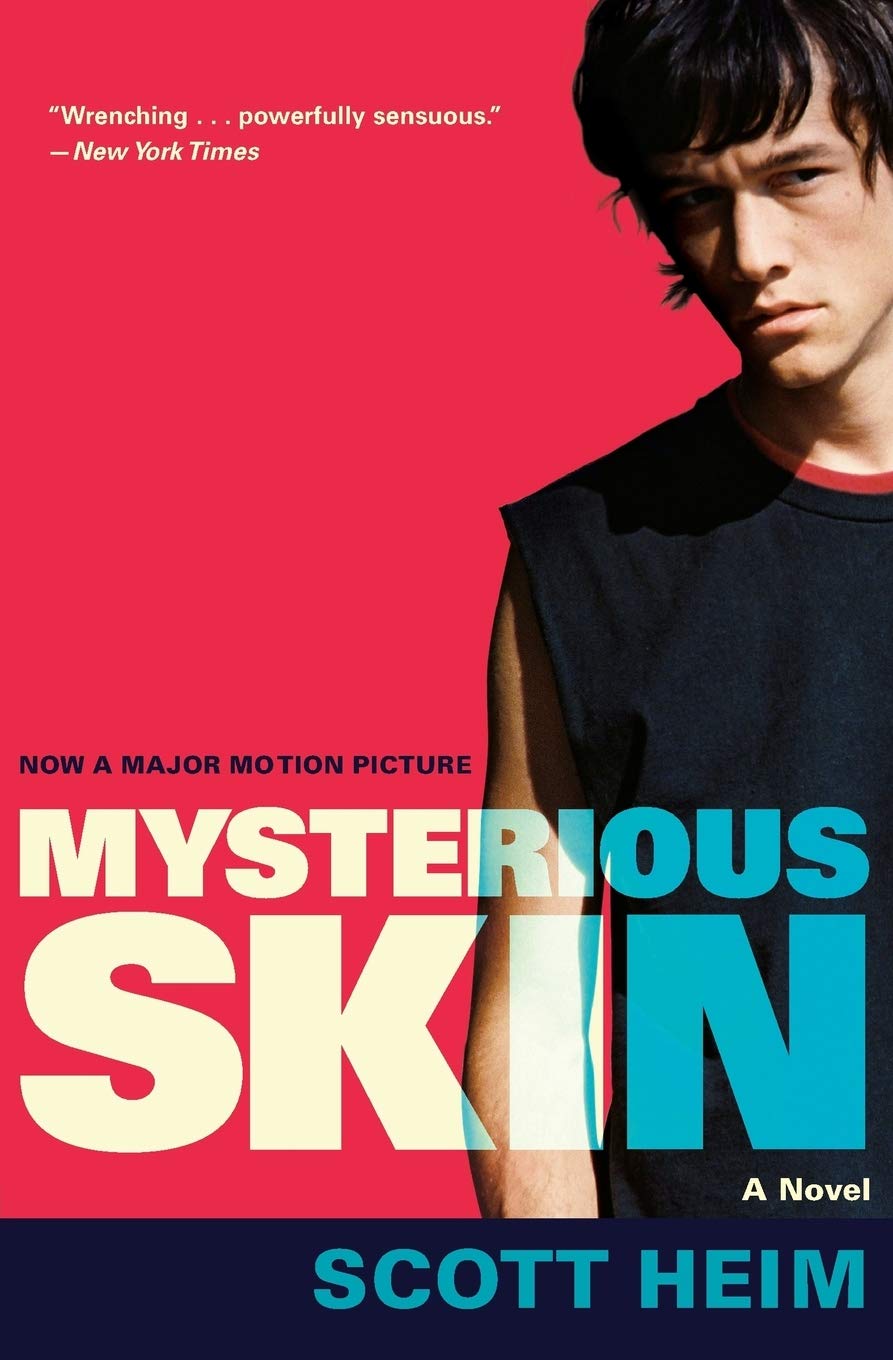
Books read in 2021 – 36. Mysterious Skin by Scott Heim.

Genre: LGBT, Abuse

Narrative Style: First person from a number of different points of view. Chronological

Published: 1995

Rating: 5/5

Format: paperback.

Synopsis: At eight years old, Brian Lackey is found bleeding under the crawl space in his house with no memory of the last few hours. His last memory is playing baseball. The next evening, he sees what he believes to be a UFO. Over the years, he loses more time and he becomes convinced that he has been abducted by aliens, more than once. Neil McCormick is on Brian’s baseball team and he knows exactly what happened to Brian and it has nothing to do with aliens. Brian realises that Neil is the only one who can help him fill those missing hours so he tracks him down.

Time on shelf: I bought this a couple of years ago but I’ve been aware of it for about six or seven years.

This is not a book for the faint hearted. From the very first, it is apparent that something terrible has happened to Brian Lackey and, although he cannot remember it, it has something to do with his little league baseball team and the coach of the team. We know this from Neil’s parallel narrative in which he describes his encounters with his coach. Neil couldn’t be more different from Brian. He is very aware of himself and his sexuality and he relishes the attention that he gets from his coach as he gets little love and attention at home. This is not easy to read even though Neil claims that it has not harmed him and, in fact, he loved his coach and believed that the man loved him.

The narrative moves to later in the lives of both boys – along with narratives from their friends and family. Neil is now a hustler, still very much occupied by sex. Brian is obsessed with UFOs and aliens and eventually meets someone who claims to have been abducted by aliens. He measures her experience against his own and starts to believe this is what happened to him. It is heartbreaking to see the paths both their lives have taken. Although Neil still claims to be happy and to be doing what he wants, it is clear that he has been damaged by his early experiences. Brian seems even more tragic, unable to even acknowledge what has happened to him. The alien story occupies him because he knows something terrible happened and this story means that he doesn’t have to examine the truth.

Heim deftly handles all the different perspectives and the story moves at quite a pace. It is compelling – I found myself both wanting and not wanting Brian to discover the truth. Obviously, he couldn’t carry on believing he was abducted by aliens but inevitably, when he did work it out, he would be destroyed by the knowledge and that was going to be hard to cope with.

Brian finds a photo of the little league team and realises there is some special memory attached to the image of Neil. At first, he believes that they must have been abducted together. But as his search brings him closer to Neil, he realises that the image of his coach also has a horrible effect on him. He is close to his own realisation when Neil takes him back to the house where it happened and we get a full description of what happened to both boys.

The ending was particularly difficult to read especially as Heim offers no resolution. The novel ends with Neil and Brian sat together, holding hands, as the family that now own the house come home. There is no knowing what effect the revelations will have on both their lives. It is a moment that could go in a number of different ways. It could be good – both of them perhaps can move forward – or it could be bad – maybe they will be drowned by it. It is for the reader to decide and I chose to look on the brightside.

This was a difficult read. As you might expect given the subject matter. I hesitate to say I enjoyed it because I’m not sure enjoyment is the right word. It was compelling and heartbreaking. I couldn’t put it down.

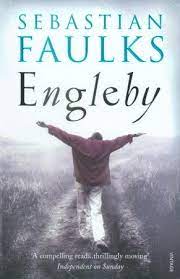
Books Read in 2021 – 35. Engleby by Sebastian Faulks

Genre: thriller, masculinity, madness

Narrative style: First person, largely chronological

Rating: 2/5

Format: Kindle

Published: 2007

Synopsis: Mike Engleby has never fitted in. Not at school and not at university. When he becomes obsessed with a pretty student named Jennifer, it becomes apparent that something is very wrong with him. Then Jennifer disappears and all eyes are on Mike but there is no proof that he killed her and life carries on.

Time on shelf: Not very long. I read Birdsong a long time ago and really enjoyed it. More recently, I read Paris Echo which was okay. I wanted to give Faulks another try before I decided to stop reading him all together.

I really expected to enjoy this. I thought that Mike Engleby would be as creepy and upsetting as Frederick in The Collector. Perhaps I read this too close to the Fowles but it just didn’t compare. A lot of this book felt like filler. Not much happens and Engleby was annoying. He rarely made my skin crawl.

The book starts with Engleby at university and obsessed with Jennifer, a fellow student. So far so good, right? Wrong. Although Engleby follows her around – attending her lectures as well as his own, joining a society she runs – not much happens. There is little sense of tension. Probably because it is quite a lot of pages in before she disappears. Before that, there are minor events such as he steals a letter she is sending home and reads it and he steals her diary. We also discover something of Engleby’s background – he was bullied at the private school he attended on a scholarship – but I didn’t feel drawn in.

When Jennifer does eventually disappear, Engleby seems an obvious suspect but there is no proof to tie him to the disappearance. He hides the diary which he still possesses and the event passes and he wanders into his future as a journalist. There are hints that he may have something to do with it. He talks about memory lapses and another woman disappears but his life carries on regardless. I was definitely bored now.

Part of the problem was my inability to suspend my disbelief. Engleby decides to send the diary back to Jennifer’s mother but it is okay, he was memorised it all so we are still treated to extracts of her diary. At the same time, he suffers from huge memory lapses where he had no idea what had happened for hours. This didn’t convince. The amazing memory trick is only mentioned when the diary is sent away so it felt contrived. Now I realise that this could be an authorial trick. Engleby is unreliable and we have no way of knowing whether he was remembering Jennifer’s diary exactly or not but it was too unsubtle for me. I prefer not to see the author at work.

Eventually – far too many pages later – the police have finally discovered how to extract DNA and Engleby is tried and found guilty although he is sent to a mental institution rather than a prison. His discussions with the court appointed officials and then his psychiatrist are cringe worthy and difficult to read. One thing that keeps coming up is the fact that Engleby’s violence towards women may be due to his repressed homosexuality. (Obviously Engleby does not agree with this reading of his issues.) I found this offensive and, again, not particularly well written. When Jennifer first disappears, the police make assumptions that Mike is gay, something he vehemently denies. Then his case worker also suggests that this is the root of all Engleby’s issues. (Incidentally, Mike’s opinions of her are also pretty offensive.) Is this really the best Faulks can come up with – he must really be gay? Tedious, not to mention homophobic.

Another thing that was annoying was the cameos of those that Engleby interviewed when he was a journalist. Now, it may be that this was all part of Engleby’s delusion but nonetheless it was annoying to have Ken Livingstone, Peter Mandelson and Ralph Richardson keep popping up in the narrative. It reminded me of David Mitchell’s Utopia Avenue which I read earlier this year. Perhaps it is an impulse a writer of a certain calibre finds impossible to resist – I must have a go at some real people – well, resist they should. Another element of tedium.

The end of this book is ambiguous. Engleby may be innocent. It may all have been a fantasy. This didn’t make it any more satisfying and I struggled to understand what Faulks might have been trying to say. Like The Collector, there is a class element to this story but unlike Fowles novel, it wasn’t apparent what the moral was supposed to be. I think I’ll be leaving Faulks alone for a while now.

Books Read in 2021. 34. The Collector – John Fowles.

Genre: thriller, classic

Narrative style: First person from two different perspectives, chronological

Rating: 5/5

Published: 1963

Format: Paperback

Synopsis: Loner Frederick collects butterflies and obsesses over a beautiful stranger, Miranda. When he wins some money, he buys a cottage and abducts Miranda, keeping her in the cellar of his cottage.

Time on shelf: I only bought this recently but I have been intending to read it since I was a student some 30 years ago.

I was really looking forward to reading this and I was not disappointed. From the very beginning, Frederick is creepy and odd. He is uneducated and poor. He collects butterflies and has no friends. He becomes obsessed with Miranda as she represents everything he wanted – she is middle class, she is educated, she has friends and she seems happy. Frederick has none of her advantages. To him, Miranda is the very embodiment of everything that is good with the world. She sees him as the pathetic specimen he really is – instead of education and opinions, he was moral values which he never deviates from.

At first, it seems that Frederick will never be able to be with Miranda. Apart from his clear oddness, they move in completely different social circles. Then Frederick wins the pools and suddenly he has money which means he can put his plan to abduct Miranda into practise. His win is corrupting because it gives him the freedom and time to do what he wants – something that working class people do not usually have.

Even with Miranda now at his mercy, Frederick is not able to have her. At least, not without using force. He wants her to want him which she never will. He treats her like one of his butterflies, creating the perfect environment for her. Unfortunately for him, he is unable to pin her down like a butterfly. She keeps on trying to escape.

Halfway through the book, the narration changes to Miranda. She keeps a diary from the day of her abduction. I must admit that whilst I had sympathy for her, I found her incredibly annoying. In her own way, she is as self-obsessed as Frederick. She obsesses about her situation – obviously enough – and about a man called G.P. who is an artist. She admires his work and cannot decide if she is in love with him.

G.P. is a philanderer, an artist full of his own importance, giving Miranda advice about art and life that she laps up. She is unable to see that he is no better an option that Frederick. These are the two models of masculinity that Miranda is offered by Fowles – poor, disturbed and uneasy about sex or posh, arrogant and unable to commit to anything more than sex. Poor Miranda.

Both narratives are convincing and Fowles keeps the pace up. It seems inevitable that Fowles will kill Miranda, rather than she will escape. In the end, this is what happens although in a different way then I expected. Frederick then contemplates killing himself to lend the story a tragic romantic air but he changes his mind. Instead, he buries Miranda and sets his sights on a new victim, Marion, sure that he has learned from his experience with Miranda. Also, Marion is not as posh as Miranda nor is she a student so Frederick feels she will be a safer option. The story is definitely not over.

I enjoyed this very much. It was disturbing but also very clever. The class analysis was spot on and still felt relevant. It was possible to see how circumstances had affected Frederick – both his working class beginnings and the fact of winning a lot of money – but Fowles does not really allow the reader to feel sorry for him. Miranda is feisty and tries her best to escape but is thwarted every time. The battle between the two of them is hard fought and while I willed her on every time, I think I always knew she was doomed. The ending was satisfying because it was clear to me that Frederick would try again, that he was too far down the road to be able to have a normal relationship. Definitely worth the read.


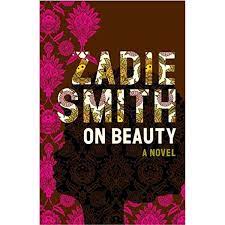
Books Read in 2021 – 33. On Beauty – Zadie Smith

Genre: Black fiction, Literary fiction

Narrative Style: Third person from a number of different viewpoints, chronological

Rating: 3.5/5

Published: 2006

Format: Paperback

Synopsis: The Belseys and the Kipps don’t get on. They are both art scholars, both study Rembrandt and Monty Kipps got his book out first. When Jerome Belsey falls for Victoria (Vee) Kipps, the families are thrown together again and again. Howard Belsey has marriage trouble. His wife, Kiki, is also dissatisfied. Carlene Kipps is dying. The various offspring of the two families have various personal issues including finding an authentic identity (Levi) and championing the cause of academia (Zora). All of this is played out on the campus of Wellington University.

Time on shelf: I inherited this when my husband’s aunt died in 2014. In the meantime I read Swing Time which I didn’t really like and this put me off going back to Smith. (I had previously read White Teeth and The Autograph Man.)

I went back and forth on how to rate this one. It is well written (4 stars) and it covers issues of identity successfully (4 stars) but the characters didn’t grab me (3 stars) and the plot was slow and didn’t pull me in (3 stars). It was a bit of a slog at times. When I got to the end, all I felt was relief that it was over.

There can be no doubt that Smith can turn a phrase. This is very well written. It is also ambitious. It is based on Howard’s End by E. M. Forster which is not a book I’ve read. I have seen the film though and once I realised, it made sense. Very different families. A gift betrothed but not delivered. And, in fact, it made me feel a lot like when I have read Forster – a little like I must have missed a joke or maybe I’m just not quite clever enough to get it.

Part of the problem is that the characters weren’t very interesting to me – in fact, they were almost stereotypes. Howard Belsey is a white professor, married to a black woman who is not as thin as she used to be. He is floundering in his career and has recently had an affair with a fellow lecturer. He is terrible with technology. He ends up sleeping with Monty’s daughter. This seems a little like it could be a character arc in a John Updike novel. Kiki is little more than her race and her weight. Monty Kipps is a typical right wing, conservative Christian. And so on.

Similarly, the plot wasn’t particularly compelling. In fact, it often felt like the most interesting things happened off-page. I enjoyed the bequeathing of a painting by Carlene to Kiki which Monty tried to hide but even then, the court case that ensues happens elsewhere. Also, as I have previously mentioned. I’m not a massive fan of posh people or campus tales so this was on a loser from the start. I’m not sorry I read it but I’m not sure that I’ll read anymore Smith novels.

Top Ten Tuesday – Halloween Special

Top Ten Tuesday was created by The Broke and the Bookish in June of 2010 and was moved to That Artsy Reader Girl in January of 2018. It was born of a love of lists, a love of books, and a desire to bring bookish friends together.

Today the top ten was a Halloween freebie so I have written a straightforward list of my favourite horror / supernatural novels.

  1. The Silence of the Lambs – Thomas Harris (1988) The relationship between Clarice and Hannibal Lector is what makes this novel.
  2. The Fog – James Herbert (1975) A mysterious fog seeps from a crack in the earth and drives people mad. A superb read.
  3. The Stand – Stephen King (1978) This contains one of my favourite pieces of writing ever where King describes the spread of a virus from the first sneeze onwards. Like The Road, a post-apocalyptic scenario.
  4. Rosemary’s Baby – Ira Levin (1967) Even better than the film (which follows the novel really closely.)
  5. I am Legend – Richard Matheson (1954) A last man standing tale with Robert Neville fighting the vampires for his humanity and the future of the world.
  6. The Road – Cormac McCarthy (2006). Perhaps not an obvious horror choice but the bleakness of the landscape and the dark violence earn it its place.
  7. Frankenstein – Mary Shelley (1818) I love this book and its commentary on the way society treats outsiders. It does what all good horror should do and make you think
  8. The Strange Case of Dr Jekyll and Mr Hyde – Robert Louis Stevenson (1886) A great story about hypocrisy and sin. I’ve taught this any number of times and it hasn’t lost its freshness.
  9. Some of Your Blood – Theodore Sturgeon (1961) A strange vampiric tale, told through letters and diaries. The pay off is definitely worth it.
  10. The Invisible Man – H. G. Wells (1897) Much better than the film, this is a dark parable about not being accepted by society and the repercussions of that.

Books Read in 2021 – 32. Jews Don’t Count – David Baddiel

Genre: Politics, Non-Fiction, Race

Narrative Style: First person

Published: 2021

Rating: 4/5

Format: Kindle

Synopsis: David Baddiel discusses the ways in which anti-Semitism is treated differently from other types of racism and prejudice using examples from the media, TV and social media.

Time on Shelf: Not very long. I read The Plot Against America at the start of the year and that sparked an interest in Jewish History. Earlier in the year, I watched Baddiel confronting Holocaust deniers for a TV program and that made me warm to him in a way I hadn’t previously so when this book came up on Kindle I bought it.

I have a mixed history with David Baddiel. When he first appeared on the comedy scene – or at least when I first became aware of him – he was with The Mary Whitehouse Experience and I loved that but then came the football years and his (and Frank Skinner’s) humour was too laddish and football based to appeal to me. Then I read Whatever Love Means which I really think is one of the worst books I’ve ever read. After that, I didn’t really take much notice of what he was up to. Then earlier this year, I watched Confronting Holocaust Denial with David Baddiel. If I hadn’t watched that, I certainly wouldn’t have read this book.

Baddiel begins by talking about a review of Charlie Kaufman’s first novel Antkind by Holly Williams. Williams complains that it has a ‘white-male-cis-het perspective’ and is, therefore, part of the patriarchal orthodoxy. However, the narrator – B. Rosenberger Rosenberg is described as having Jewish characteristics such as a Rabbinical beard and other characters behave anti-Semitically towards him. Baddiel feels, rightly I think, that this means the character is less privileged than Williams assumes.

Baddiel contends that unlike other forms of prejudice, anti-Semitism isn’t treated with any depth of seriousness. He gives examples of non-Jewish actors playing Jewish roles not meeting with any sort of outrage and whilst actors don’t have to black up to play a Jewish character, there are a number of characteristics that called be donned to show that you are playing Jewish. (He compared this to the outrage that greets a heterosexual actor playing a homosexual character which is probably a more apt comparison than blacking up.) I admit that I hadn’t really considered this before. Partly because I wouldn’t necessarily know whether an actor was Jewish or not but mostly because I wouldn’t have thought it was something I needed to think about. Baddiel suggests that this is one of the ways that Jews don’t count. He gives the example of Al Pacino in Hunters and Gary Oldman in Mank, accusing Oldman of not only being not Jewish but a supporter of Mel Gibson and his famously anti-Semitic rant. He asks how could this be allowed to happen?

He suggests it is because Jews occupy a unique position in society – that is as both high and low – privileged, famously running the world in many conspiracy theories and money hoarding on the one hand, low, rat-like and sly on the other. In this way, Baddiel discusses how Jews can be seen as both white and not white. He explains that while Jews might often look white, they don’t often feel white. That is they are not able to feel the sense of privilege that comes with being white. Their lives are not secure. They do not feel safe. As Baddiel rightly points out, we are not that many generations away from the Holocaust and its effects can still be felt. He talks about his own grandparents who fled to England in 1939 with his mother who was a baby. They had been rich but had been robbed of it all by the time they fled. When you know can lose everything simply because you are Jewish, you do not have privilege.

Baddiel discusses many instances of his interactions on Twitter and his experiences of being told not he is experiencing racism or not. He looks at the Labour party and Jeremy Corbyn’s abject failure to deal with anti-Semitism. It’s hard to imagine people leaping to Corbyn’s defence if any other type of prejudice were being discussed. In fact, Corbyn comes in for a lot of criticism and rightly so. Other people, such as Roald Dahl, are outed as anti-Semites.

It is easy to follow Baddiel’s arguments and I found them affecting and could understand his anger. I do think that his determination to focus on Twitter made his prose somewhat disjointed at times. Also, it is hard to take someone 100% seriously when they say they don’t count via a book they have had published which many will read. (I felt similarly when I read Why I’m No Longer Talking to White People About Race by Reni Eddo-Lodge.) But these are minor quibbles. Definitely worth a read.

Books Read in 2021 – 31. Strangers on a Train – Patricia Highsmith

Genre: Crime

Narrative Style: third person, chronological

Published: 1950

Rating: 3.5/5

Format: Kindle

Synopsis: Guy Haines and Charles Bruno meet on the train. Bruno is immediately captivated by Haines and proposes that they sort out their respective problems by each murdering the person who is holding them back – Haines’ wife, Miriam, and Bruno’s father. There would be no link between them and neither would get into trouble. Haines is not keen and assumes that Bruno is talking hypothetically but when Miriam is murdered, he realises he may have to keep up his side of the bargain.

Time on Shelf: I’ve been meaning to read this for a long time but only recently purchased a copy.

This is starting to be a theme for this year’s reading but I didn’t enjoy this as much as I expected. Certainly, it was not as straightforwardly thrilling as The Talented Mr RIpley and I felt it lacked the tension of that novel. I did go back and forth between ratings as parts of it were very good but other parts left me feeling bored.

The novel starts strongly. The opening line – ‘The train tore along with an angry, irregular rhythm.’ – immediately gives the reader an impression of an unpleasant atmosphere. This is not the start of a happy story. Guy Haines is the impatient passenger, desperate to get where he is going so he can get a divorce from his wife. He is caught in his unhappy and hateful thoughts by Charles Bruno, rich and ridiculous, who joins his carriage. Bruno is full of wild ideas. The main one that he shares with Haines is the idea of two strangers, meeting briefly, carrying out a murder for each other, and then never meeting ever again. So far so good. I was hooked.

However, it then seemed to take ages for the first murder to happen. I didn’t feel the build up of tension. It felt stodgy and I wanted to get past it. This is partly due to the fact that I had an idea of what was going to happen. This isn’t a book one comes to blind. I knew there was to be action and I was impatient to get to it. This may be my problem not Highsmith’s.

There are moments of high tension after that but I didn’t feel that overall it lived up to the promise of the meeting on the train. Haines’ panic after he has killed Bruno’s father is well described and the way he falls apart even though he now has everything he wants is convincing but I expected that this would be impossible to put down and it just wasn’t.

One of the more interesting elements of the book is the way that it is a metaphor for the hidden nature of homosexuality at the time of writing. Two strangers meet on the train, they hook up and go on with their lives except Bruno keeps appearing in Haines’ life spoiling his marriage to his new wife, making Haines ashamed of the things he has done. Bruno equally knows the dangers of seeing Haines as they need to remain undiscovered but he cannot keep away. When he removes Miriam from the picture, he is making a space for himself in Haines’ life that he cannot possibly fill. Haines immediately marries again, pushing Bruno back out of his life. This was more interesting then the actual plot.

The ending was disappointing. Although I sensed that getting caught was actually a relief to Haines, it still felt anticlimactic. And I felt that Bruno deserved more punishment than falling from Haines’ boat. None of it felt very satisfying. Perhaps I’ll stick to reading the Ripley books.